

I’ve been on both sides of development — as an athlete who needed better coaching, and someone lucky enough to experience what it looks like when it’s done right.
I grew up in Mason, Ohio, played professional baseball, and spent years learning what separates players who grow from players who plateau. CPD is my attempt to give athletes access to that level of honesty and intention — wherever they are.
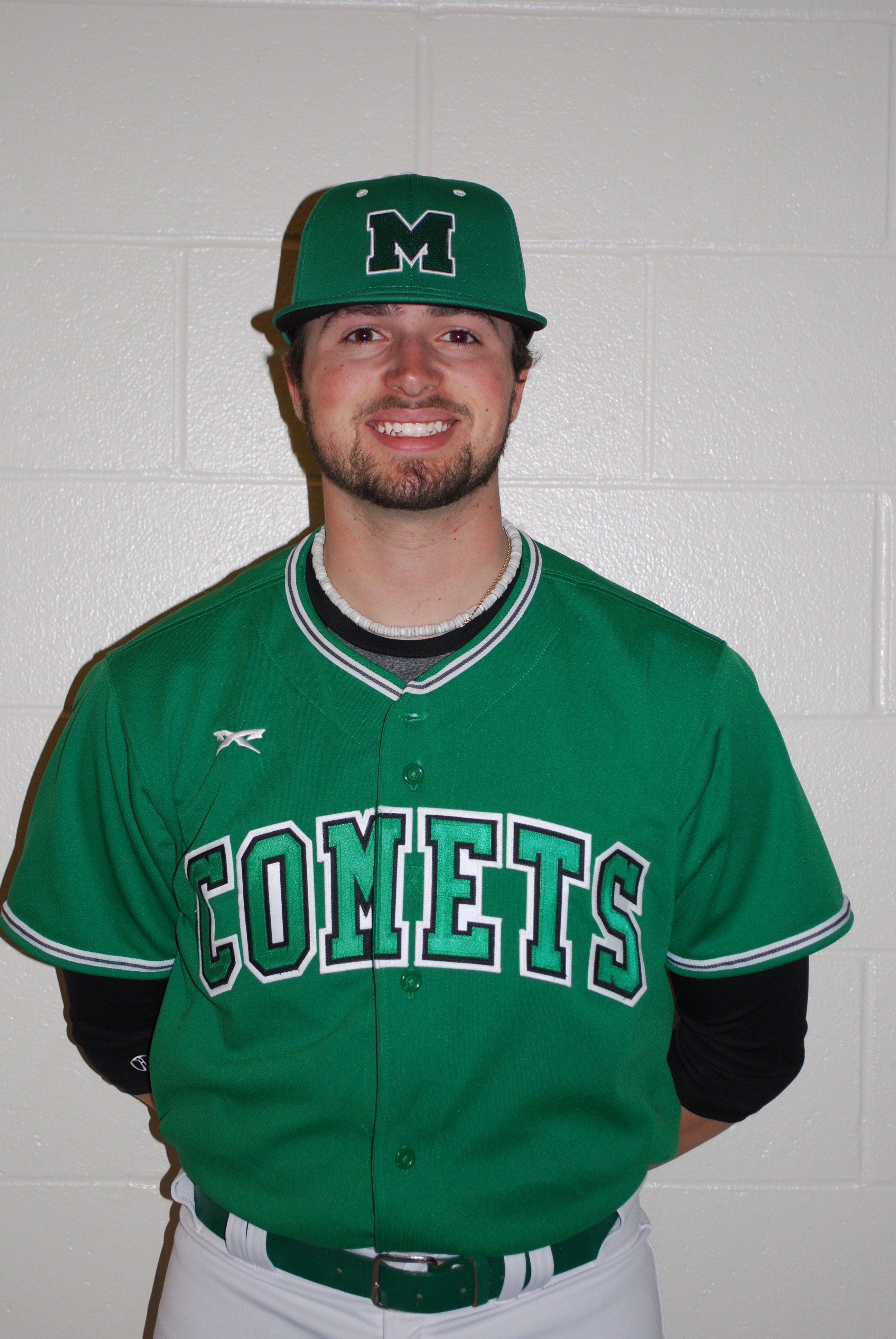
Mason Comets
Growing up in Mason, Ohio playing for the Comets is where it all started. The town cared about baseball, the coaches pushed us, and the competition around me was good enough to make you earn everything.
That environment shaped how I approached the game before I even understood what I was learning.

Perfect Game All-American
Getting recognized at the Perfect Game level — including the Ohio Gatorade Player of the Year — was a milestone I’d worked hard for. It opened doors I was grateful to walk through.
But what it really did was raise the bar. Recognition at that level just means the next standard is higher.
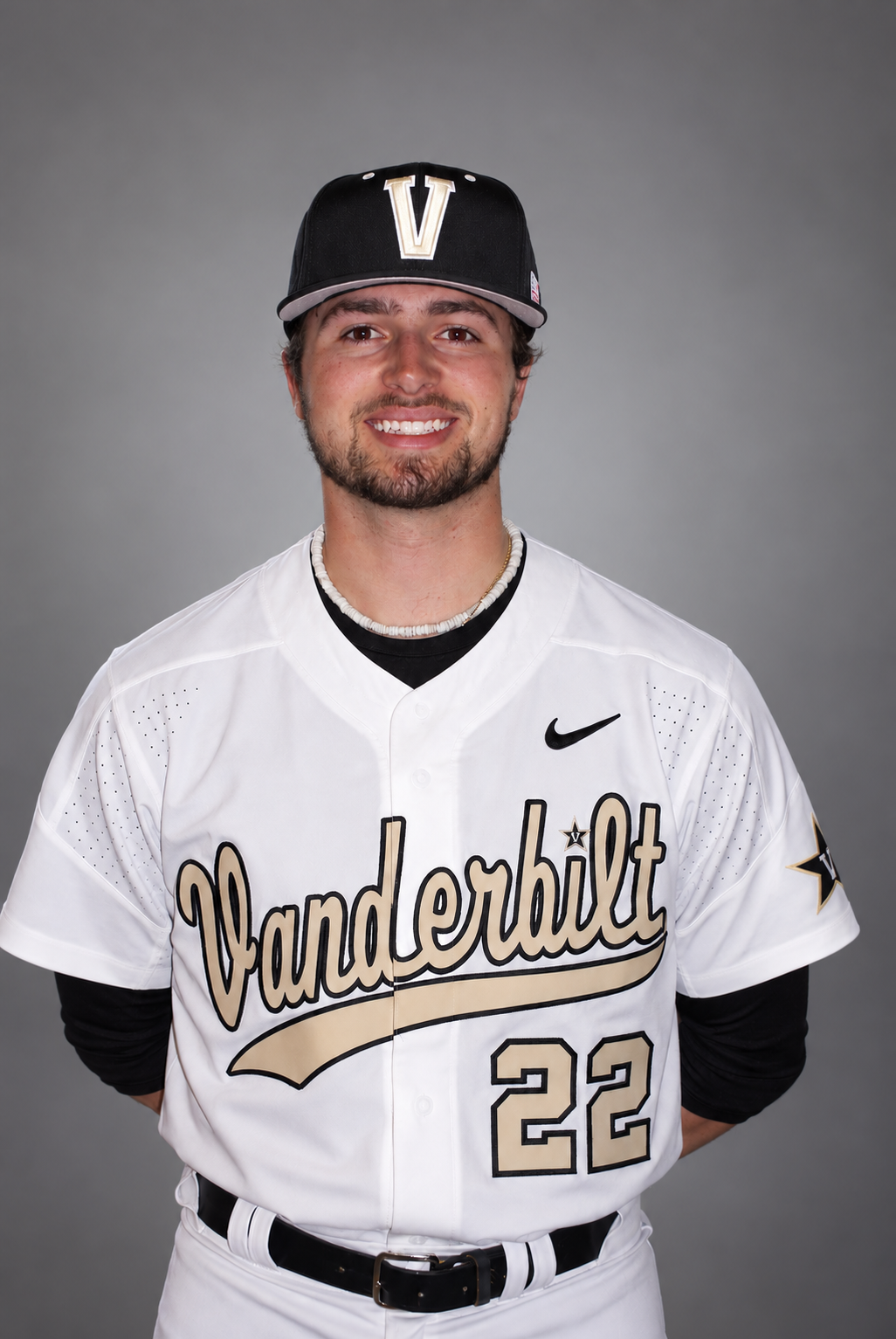
Vanderbilt Commitment
Committing to Vanderbilt was one of the most meaningful decisions I’ve made. Playing at that level every day — against that competition, inside that program — accelerated my development in ways I didn’t fully appreciate until years later.
It’s also where my real curiosity about hitting began. Not just doing it — understanding it.
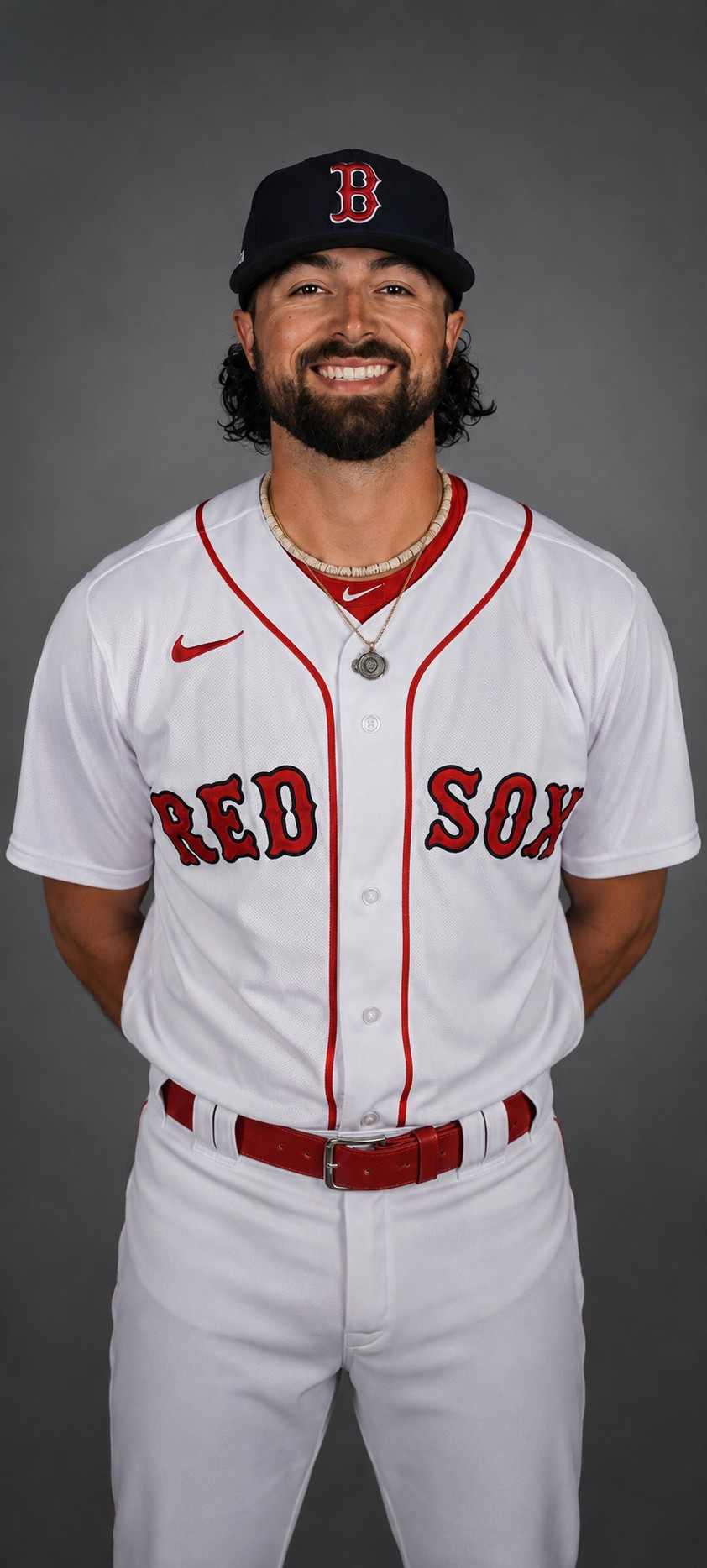
Boston Red Sox — Drafted
Getting drafted by the Red Sox was something I’d worked toward for a long time, and I was grateful for it. Professional baseball humbles you quickly. The margins are smaller, the competition is better, and the mental side becomes a bigger factor than most people expect.
I learned a lot in that organization. Some of the best lessons were the hard ones.
Cincinnati Reds — Traded
Being traded to the Reds gave me a second vantage point. Different coaches, different philosophies, a different way of seeing the game. I didn’t have it all figured out — not even close — but being inside two professional organizations gave me the chance to decide what I actually believed.
Watching, asking questions, staying curious — that process shaped me as much as anything on the field.

Why I Coach
I started CPD because I saw a gap between what honest, individualized development can look like and what most athletes actually have access to. I don’t think that’s because coaches don’t care — it’s often just that systems aren’t built around individuals. CPD is. That’s the only way I know how to do this.
I’m still learning. Every athlete I work with teaches me something. But I show up trying to be the kind of coach I wish I had — one who tells the truth, pays attention, and actually cares about what happens to the player.
“Red Sox Prospect Nick Northcut Is Swatting Homers with Metronomic Regularity”
Read Article →I try to be the kind of coach I wish I had.
I try to coach with honesty, specificity, and a genuine investment in what makes each athlete different. The coaches who helped me most weren’t the ones with the best credentials. They were the ones who actually paid attention — who understood how I thought, what I was struggling with, and cared enough to get it right for me specifically. They didn’t hand me a program. They figured out what I needed.
I try to do the same thing. Whether I’m working with a high school athlete figuring out who they are as a hitter, or a player at a higher level who needs a fresh perspective — the goal is always the same. Understand them. Build around them. Tell the truth, even when it’s uncomfortable.
And the hope is that eventually, they don’t need me to tell them what to fix. The goal is always to build a player who can figure it out on their own — one who can think, adjust, and compete when the game gets loud. That’s when you know something real happened.